Performance Samples

Vista II – Flutes and Piccolo

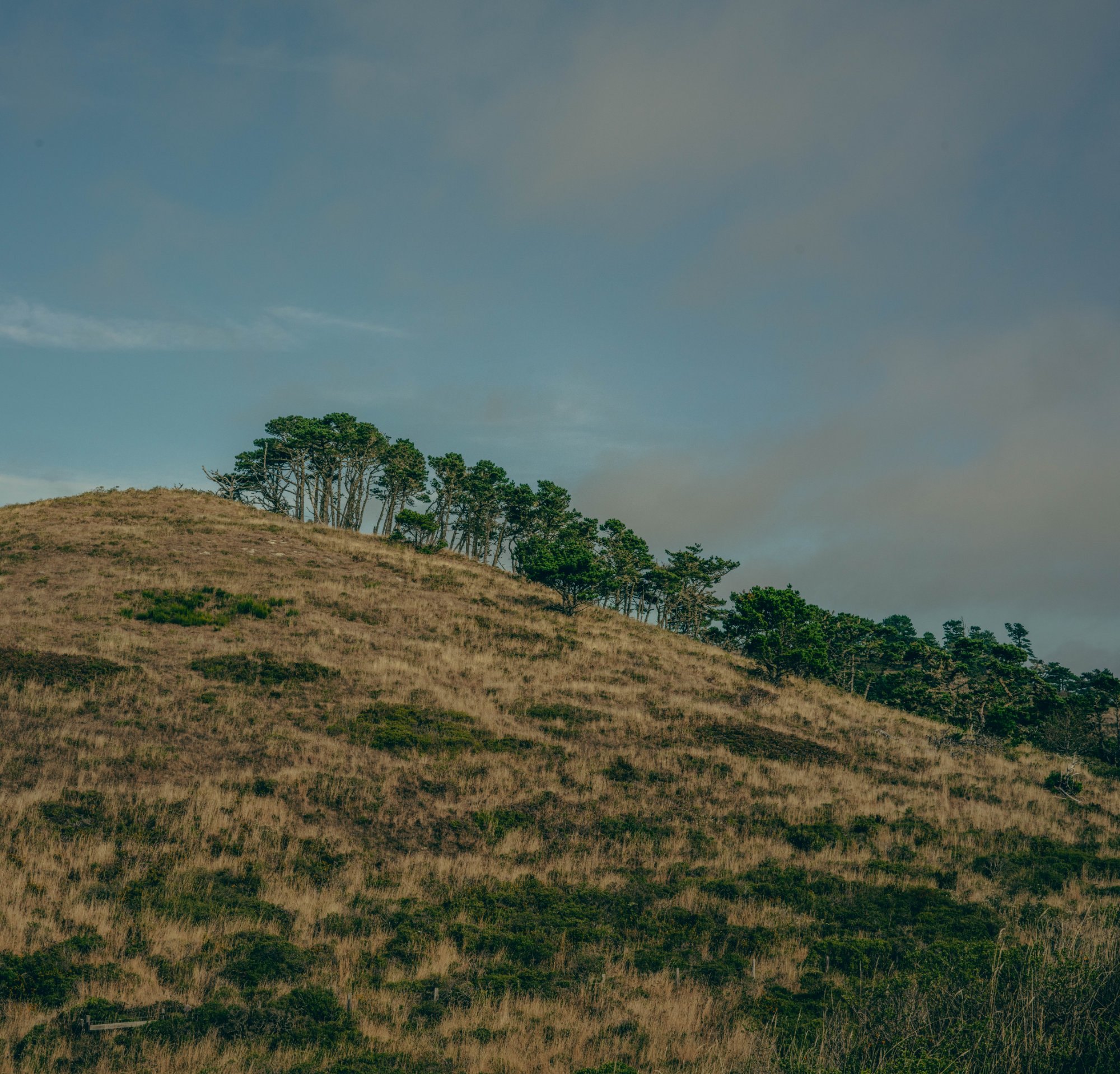
A grassy coastal hill with a line of wind-bent pines along its ridge under a blue-grey sky

Vista II - Flutes and Piccolo

The third module in the VISTA II series, featuring boldly experimental new performance sampling approaches

New demoSolo Flute Legato
Highlighting: five dynamics of legato sustains with same-note repetitions (triggered by holding down the sustain pedal while playing).
Grasslands BalletHighlighting: Flutes a2 playable trills, as well as legatos with six dynamics.

Overview

Vista II - Flutes and Piccolo is the third module from Vista II recorded in the same familiar space and setup. It features solo flute, flutes a2, solo piccolo, and alto and bass flute, and debuts a handful of boldly experimental new performance sampling approaches. ETA Q4 2026 along with the v2.0 free content update for Small String Ensembles Lite.

Free Tech Demo

Coming soon

Dynamics and Register

These patches are dynamic, but not intentionally biased towards loud or soft. The flutes a2 legato patch is six dynamics, for instance, and the solo flute legato patch is five dynamics. It gets louder than you'd expect for a lyrical solo flute patch, but you don't have to reach for the very top unless you need it. Many of the shorts are six dynamics and get into quasi-overblown territory at the top. The piccolo doesn't have quite as many as it's harder to capture as much dynamic nuance on that instrument (especially in certain registers).

Full idiomatic registers were sampled for these instruments. There's also built-in artificial register extension, based on high-quality pitch-shifts processed externally, so you don't have to extend the range manually yourself.

Consistency and Continuity

The library is designed to work intuitively with the rest of Vista II, including modules still forthcoming. The positioning and setup are the same, and as much care as possible has gone into keeping things naturally balanced. For every articulation, I capture snippets of the players at their “softest before niente” in different ranges, to guide the dynamic crossfading as accurately as possible. You can override this in the balance (B) section of the GUI.

Alt Patches and Re-Records

I tend to re-record patches that I'm not fully happy with, and in this case the original patches are included even if they're a bit dodgy. You can see how they evolve and can pick which one you prefer.

FX Patches

I consulted with flautist-composer Brandi Thomas on flute FX and the instrument's capabilities in that realm. Implementing what I learned into the sessions resulted in a swath of characterful and some cases quirky FX, but in the context of an orchestral flute recorded “in situ” that will blend with the rest of Vista II.

FAQ

Is this the Vista II Woodwinds module? How does this fit with everything else?

This is not the "Woodwinds I" module. That one is solofocused, and will likely have some elements that build off of everything I learned here. This is somewhat of an anomalous module, like Small String Ensembles Lite. It will function well with the rest of the modules.

This module was originally just going to be two flutes (and piccolo) so I could try some ideas, but later in production I realized: who's going to buy a Two Flutes module in 2026? This was around the time that I was starting to implement solo crossfading capability on woodwinds so it coincided well with the addition of the solo flute. My friend wanted an alto flute so I'm doing that, and the musician also plays bass flute, so I'm doing that as well for the v1.1 update.

Can we get more info on the dynamics/RR?

Yes, I'll have more info or a table format for this by release.

Articulation Details

Legato Sustains

These are legato patches with up to six dynamics. When I say six dynamics (in this instance), that is on all assets, not just sustains. So six dynamics on legatos, same-note repetitions, sustains, etc. In other words, it's all balanced, not sharing 1-2 dynamics of intervals amongst more dynamically sampled sustains.

Same-note reps trigger when holding down the sustain pedal.

Staccatos / Staccatissimos

These patches consist of three different assets: attacks and two speeds of same-note repetitions. So there are “sympathetic-resonance” attack samples which are notes coming from another pitch. Then, when you settle on one pitch and repeat it, it starts to trigger in the first rep speed. These are repeating samples recorded on one pitch. Play faster and it triggers in the second rep speed (faster repeating samples recorded on one pitch). So you're not really restricted by speed.

Flutter Tongue

These are flutter tongue patches with attacks that are "coming from" another pitch. These patches are dynamic.

Playable Trills - Multiple Tempi

Built from actual recorded trills, these are polyphonic multi-samples, and you can play trills (not just m2/M2) and run-type passages with them. The runs in Grasslands Ballet use the flutes a2 playable trills 160 patch. It's also useful to play with the decay setting to reduce the tail.

Don't be overly concerned about the listed tempi. These generally sound good at or slightly below their recorded tempo and up, but they can be used creatively as well for runs. Between the different recorded tempi, you have some flexibility.

Sfz Decrescendos

Accented sfz that tapers off shortly after. The attacks are "sympathetic-resonance" and come from another pitch, and I have the musicians build up energy to the sfz. So they're building up in volume to the sfz to give it more accent, then tapering out.

Think of these like marcatos. I've actually been finding that marking sfz instead of marc gets more of what one would expect marc to sound like. These have multiple speeds of releases so you have length flexibility from super short to long.

By the way, I came up with this on the Vista II brass sessions so that's where it originated (early example). These sfz decrescendo patches will work perfectly with the ones I did for brass. They were recorded at the same tempo, etc.

Sfz Marcatos

Same type of thing but instead of tapering off, it loops. These are wholly separate recordings from the Sfz Decrescendos, so you can double them without worrying about phasing. Same release flexibility as well with the multiple speeds of releases triggering in based on note length.

Tenutos

Short (well, medium-length) held notes, again with the notes coming from another pitch for more spontaneity.

Fast Sostenuto Reps

Rather experimental. They're like fast measured tremolos for flutes.

While the aforementioned stacc/staccmo. patches have the faster rep speed which can get really fast, it was still a “short” marking and not explicitly connected/sostenuto, whereas these are performed connected and held their full length even though they're short. So it's like a connected fast repeated note, rather than a more detached fast repeated note.

Arpeggio/Meas. Trill Experimental Patch

Still in the experimental stage but basically a polyphonic patch that you can play different speeds of arpeggios or trills with.

Articulation List

Solo Flute
2 Flutes
Solo Piccolo
Alto Flute
Bass Flute

Legatos

  • Legato Sustains
  • Additional Sus Patch
  • Legato Sustains
  • Legato Sustains
  • Legato Sustains v1.1 update
  • Legato Sustains v1.1 update

Accented Patches

  • Sfz Decrescendos
  • Sfz Marcatos v1.1 update
  • Sfz Decrescendos
  • Sfz Marcatos v1.1 update
  • Sfz Decrescendos
  • Sfz Marcatos v1.1 update
—
    —

      Shorts

      • Staccatos V1 and V2
      • Staccatissimos V1 and V2
      • Staccatissimos Faster Alt v1.1 update
      • Fast Sostenutos v1.1 update
      • Staccatos V1 and V2
      • Staccatissimos V1, V2, and V3
      • Staccatissimos Faster Alt v1.1 update
      • Fast Sostenutos v1.1 update
      • Staccatos
      • Staccatissimos
      • Staccatissimos Slower Alt
      • Staccatissimos Faster Alt v1.1 update
      • Fast Sostenutos v1.1 update
      —
        —

          Trills and Flutters

          • Flutter Tongue
          • Playable Trills 90 – flutter & normale
          • Playable Trills 120 – normale
          • Playable Trills 160 – normale
          • Flutter Tongue
          • Playable Trills 90 – flutter & normale
          • Playable Trills 120 – normale
          • Playable Trills 160 – normale
          • Flutter Tongue
          • Playable Trills 90 – flutter & normale
          • Playable Trills 120 – normale
          • Playable Trills 160 – normale
          —
            —

              Other Patches

              • Tenuto
              • Arpeggio/Meas. Trill Experimental Patch v1.1 update
              • Tenuto
              • Arpeggio/Meas. Trill Experimental Patch v1.1 update
              • Tenuto
              • Arpeggio/Meas. Trill Experimental Patch v1.1 update
              —
                —

                  FX

                  • Extensive FX (flz, accents, bends, overblown sfz, cresc to overblow, etc)
                  —
                    —
                      —
                        —
                          BonusWood FluteAdditional FX

                          Non-final; all subject to change (naming, patches, arts, update organization, etc).